
In 1954, Martin Heidegger wrote an essay called The Question Concerning Technology, in which he asked how we might free ourselves in our technological age.
For Heidegger, the danger was not limited to immediate threats posed by certain technologies. At a more fundamental level, he was concerned with what happens to us when our understanding of the world is restricted to technological terms.
Technology orders nature into what Heidegger calls bestand, the German word for stock or inventory. Technological mindsets force the objects of our understanding into instrumental and artificial frameworks, limiting our interest in them to what they can produce and doing away with their specific, individual natures. Thus a river becomes a means to produce power; an atom, energy; you, a human resource to produce profit. Therein lies the danger. Technology can be a powerful revealer of truths, but it also restricts our understanding of the world and who we are in it.
To counter this tendency, Heidegger exalts other, older, ways of knowing. In Ancient Greece, art was just another form of technē, the Greek word from which technology gets its name, but which had broader and deeper meanings. It was a form of poiesis, of revealing and giving form to nature. Making art was a very human way of engaging with and understanding the world.
Heidegger was pessimistic, but hoped that art might free us from technology’s reign.
“Whether art may be granted this highest possibility of its essence in the midst of the extreme danger, no one can tell,” he wrote. “Yet we can be astounded. Before what? Before this other possibility: that the frenziedness of technology may entrench itself everywhere to such an extent that someday, throughout everything technological, the essence of technology may come to presence in the coming-to-pass of truth. Because the essence of technology is nothing technological, essential reflection upon technology and decisive confrontation with it must happen in a realm that is, on the one hand, akin to the essence of technology and, on the other, fundamentally different from it. Such a realm is art.”
In the 70-some-years since Heidegger wrote The Question Concerning Technology, the frenziedness of technology has only become further entrenched. It has fully infiltrated the arts. We now live in a world where the vast majority of human creations serve algorithms that generate synthetic imitations of those works on demand. As remarkable as this technology is, it has reduced human-made art to inventory, to content stored in vast data centres and valued only for its usefulness to those algorithms. Works of ‘fine’ art that exist outside these data centres are no better off. Their primary function is to store financial value exempt from tax.
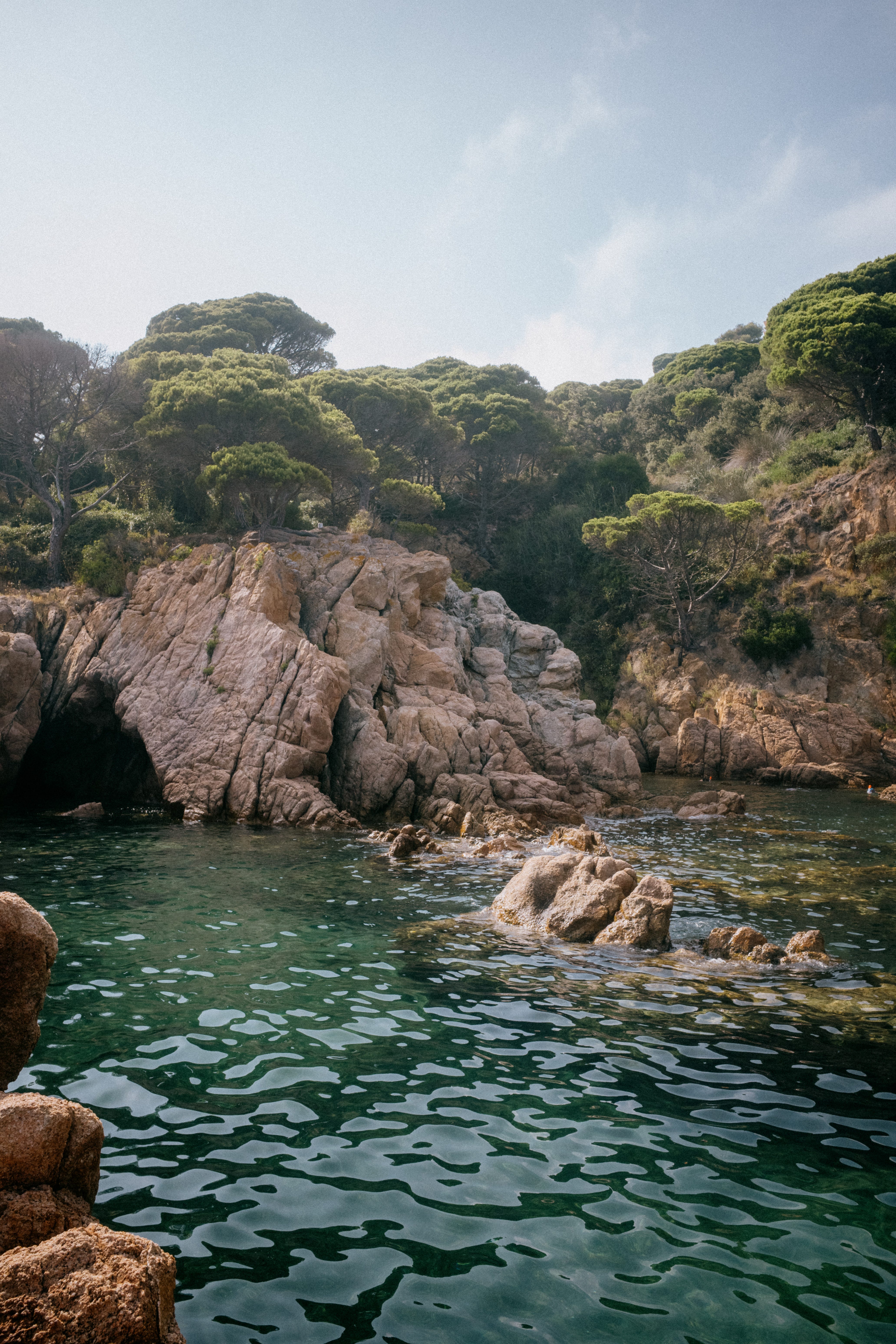
So, why write? There is no instrumental reason to spend a morning working on an essay that AI could produce in seconds, except that you are a thinking being and by thinking about the world you become a truer version of yourself. And by being true to who you are, you open your mind to truths beyond technology’s reign — the smell of the sun on hot rocks, fizz of salty sparkling water, and taste of olive oil and tomato on fresh bread. You re-open your mind to the belief that your particular understanding of the world is of infinite, wonderful value, and so must every other person’s be as well.
Art won’t free us from our times, but it is an act of rebellion. Rebel.